





A Backdoor Roth IRA is a strategy that allows high-income earners to work around the income limits that typically prevent them from contributing directly to a Roth IRA. For 2025, Roth IRA eligibility is limited to individuals earning $165,000 or less and married couples earning $246,000 or less.
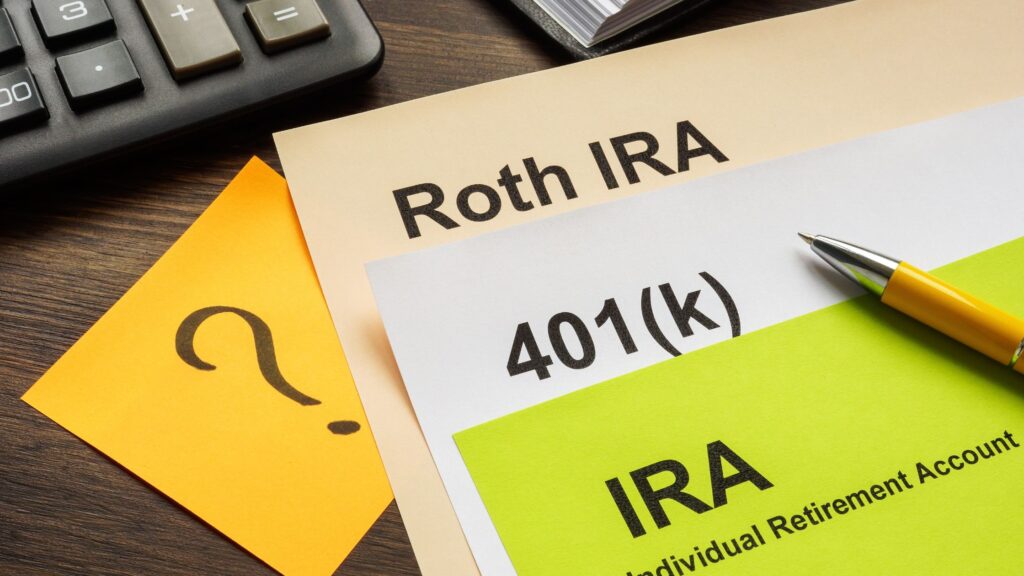
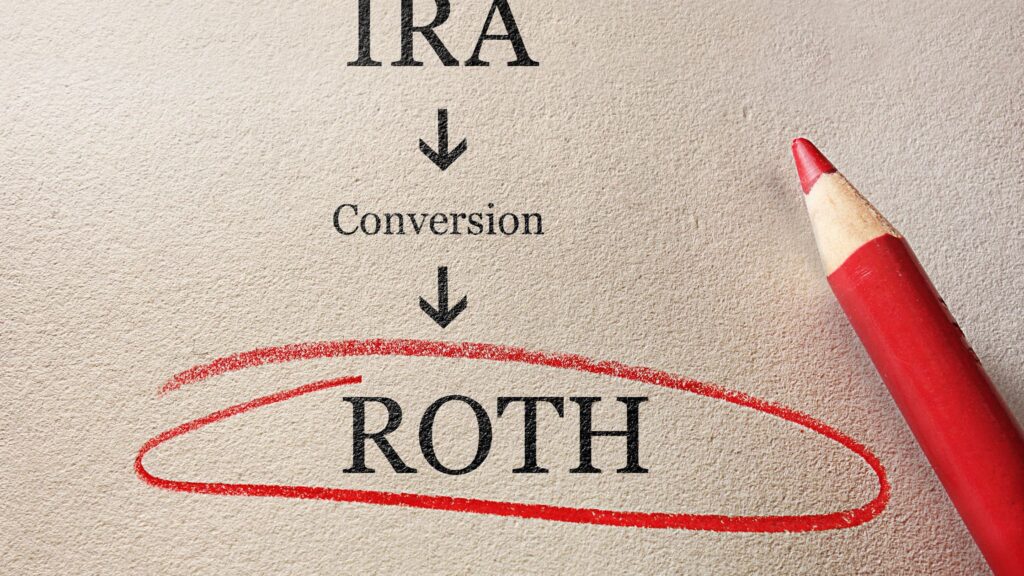
Since high earners can’t contribute directly to a Roth IRA, the Backdoor Roth IRA provides an alternative. It involves making a nondeductible contribution to a traditional IRA and then converting those funds into a Roth IRA. This strategy lets you take advantage of the tax benefits of a Roth IRA, including tax-free growth and withdrawals, even if you exceed the income limits for direct contributions.
Eligibility Criteria
To implement a Backdoor Roth IRA, you need to meet the following eligibility requirements:
- Income Limits: While there are no income limits for converting a traditional IRA to a Roth IRA, the Backdoor Roth IRA strategy is commonly used by high-income earners who are ineligible to make direct Roth IRA contributions due to income restrictions.
- Traditional IRA: You must have a traditional IRA to contribute nondeductible funds. This is the first step in the process, and your traditional IRA does not need to have pre-tax contributions, although it may.
- No Pre-Tax Funds: Ideally, you should not have any pre-tax funds in your traditional IRAs. This is because of the IRS’s pro-rata rule, which affects how much of your conversion will be taxable. If your traditional IRA contains pre-tax money, part of your Roth IRA conversion may be taxable.
Step-by-Step Guide to Execution
Here’s a detailed step-by-step guide to executing the Backdoor Roth IRA strategy:
1. Open a Traditional IRA
If you don’t already have one, open a traditional IRA with a financial institution of your choice. Many brokerage firms offer traditional IRA accounts, and you can typically open one online by providing basic personal information.
2. Make a Nondeductible Contribution to the Traditional IRA
Once your traditional IRA is set up, you can contribute nondeductible funds. For 2025, the contribution limit is $7,000 for individuals under 50, and $8,000 if you’re 50 or older (to account for catch-up contributions).
3. Convert the Funds to a Roth IRA
After contributing, you can convert the funds from the traditional IRA to a Roth IRA. Contact your IRA provider to request the conversion, or many providers allow this to be done online. It’s important to convert quickly to avoid accumulating taxable earnings while the funds remain in the traditional IRA.
4. File IRS Form 8606
When filing your taxes, ensure you complete IRS Form 8606 to report your nondeductible contribution and the Roth conversion. This form is essential because it ensures that you aren’t taxed twice on the same contribution. Failing to file it could lead to double taxation on your contributions.
5. Monitor Your Roth IRA for Five-Year Rules
After converting, the IRS enforces a five-year rule for each Roth IRA conversion. This rule means that if you withdraw converted funds within five years—even if you’re over 59½—you could face a 10% early withdrawal penalty. Keep track of these dates to avoid penalties.
Tax Implications and Considerations
While the Backdoor Roth IRA is a tax-efficient strategy, there are several tax considerations and potential challenges to keep in mind:
A. Pro-Rata Rule
If you have other traditional IRAs with pre-tax contributions, the IRS applies the pro-rata rule. This rule calculates the taxable portion of your conversion based on the ratio of after-tax to pre-tax funds in all your traditional IRA accounts. For example, if you have $50,000 in IRAs, with $10,000 after-tax and $40,000 pre-tax, 80% of your conversion will be taxable.
B. Timing of Conversion
To minimize taxes, it’s ideal to convert your funds to a Roth IRA as soon as possible after making the nondeductible contribution. The longer your funds remain in the traditional IRA, the more potential there is for taxable earnings to accumulate. Converting early helps reduce the chance of taxable earnings in the traditional IRA, making the conversion more tax-efficient.
C. Five-Year Rule
The IRS requires a five-year waiting period for Roth IRA conversions before withdrawing funds without penalties. Withdrawing early can result in a 10% penalty, even if you’re over 59½. This rule applies specifically to conversions, not regular Roth IRA contributions.
Common Mistakes to Avoid
To successfully implement a Backdoor Roth IRA, it’s essential to avoid common mistakes that could result in unexpected taxes or penalties:
- Not Considering the Pro-Rata Rule: Failing to account for the pro-rata rule can result in higher taxes. Ensure you understand the tax implications of any pre-tax funds in your IRA before proceeding.
- Forgetting to File IRS Form 8606: Missing Form 8606 can lead to double taxation on your nondeductible contributions. Always file this form to avoid being taxed twice.
- Delaying the Conversion: Delaying the conversion may cause taxable earnings in the traditional IRA. Convert soon after the contribution to minimize taxes.
- Ignoring the Five-Year Rule: Not following the Roth IRA five-year rule could result in penalties on early withdrawals. Be aware of this rule to avoid unnecessary penalties.

Conclusion
The Backdoor Roth IRA is an effective strategy for high-income earners who want to access the benefits of a Roth IRA, such as tax-free growth and withdrawals during retirement. While the process may seem complicated, understanding the steps, tax implications, and potential pitfalls is key to executing the strategy successfully. By following the outlined steps and ensuring compliance with IRS regulations, you can leverage the Backdoor Roth IRA to maximize your retirement savings.
For more detailed guidance on how to execute a Backdoor Roth IRA conversion and to explore other retirement planning strategies, visit Freedomfolio.