
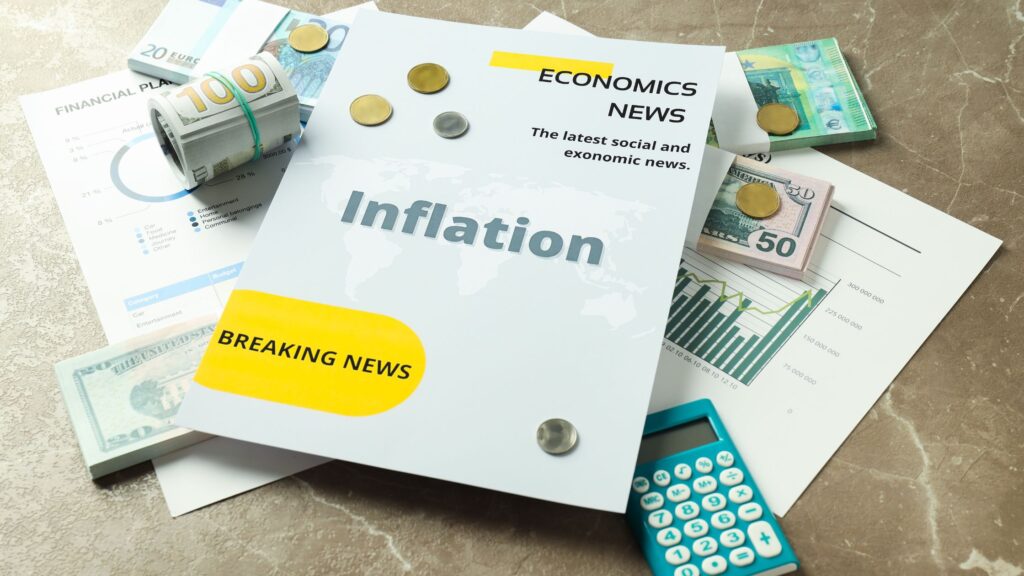




Inflation squeezes small entrepreneurs from every side. Suppliers increase prices, employees expect higher wages, and customers become more sensitive to costs. As a result, your profit margin feels thinner each month. You cannot control the economy. However, you can control how you manage money, structure investments, and protect your business. This practical inflation-proof investment guide for small entrepreneurs helps you turn uncertainty into a clear, step-by-step plan. You stay focused on growth while you shield your hard-earned profits from rising prices.
Core Business Areas That Inflation Impacts First
Inflation does not hit your business in just one place; it quietly squeezes several core areas at the same time.
i. Operating costs: Your suppliers raise prices more often. Your software and subscription fees quietly creep up.
ii. Payroll and talent: Your team asks for raises to keep up with living costs. New hires demand higher starting salaries.
iii. Savings and cash reserves: Your emergency fund buys less with every passing year. Your regular bank account barely pays any interest.
iv. Profit and pricing: Your profit margin shrinks when you delay price changes. Your old packages no longer cover today’s true costs.
When you recognize these pressure points early, you can adjust your strategy, protect your margins, and design investments that stay ahead of inflation instead of falling behind it. Learn more about Freedomfolio Tax Advisory.
Turn Your Business into Your Strongest Hedge
Before you look outside for investments, you start with your own business. When you treat it like an asset, it often gives you the fastest and most controllable return, especially during inflation.
- Review your offers and test small price increases on your highest-value services. You explain the change clearly so customers stay confident in what they receive.
- Add simple bundles, upgrades, and add-ons that use what you already have. You lift the revenue per sale without adding high new costs.
- Automate boring, repetitive tasks and remove tools no one really uses. You free your team’s time for work that actually produces profit.
- Improve key moments in your customer journey with better support and follow-up. You encourage clients to stay longer, buy more often, and refer others.
Each action works like a focused investment. You adjust once, and over time, your profit grows stronger and more resilient than inflation.

A Practical Money Map for Small Entrepreneurs
A strong plan doesn’t have to be complicated. By following a simple, repeatable routine, you protect your cash, stabilize your profits, and make smarter decisions despite rising prices. This money map provides small entrepreneurs with a manageable rhythm to follow.
A) Check Numbers Monthly
You review income, expenses, profit, and cash with fresh eyes every month. You compare results to your goals, not just to your feelings. You spot small leaks early and fix them before they quietly grow into real problems.
B) Fund Your Buffer
You decide on a clear emergency target and treat it like a non-negotiable bill. You move a fixed portion of profit into this stash every month. You keep adding until your buffer can cover several months of essential operating costs.
C) Invest in Your Best Business Upgrades
You choose one focused improvement for each quarter instead of chasing everything at once. You invest in pricing, automation, a new offer, or customer retention where the payoff looks highest. You track impact, so you know which upgrade actually protects profit from inflation.
D) Add to Your Outside Assets
You select a simple, diversified investment mix that you understand. You contribute a set amount every month, even when the number feels small. You let consistency and time do the heavy lifting instead of trying to time the market.
E) Review and Adjust Every Quarter
You sit down once every three months and look at costs, prices, goals, and market conditions together. You check whether your money map still fits your current reality. You adjust your actions, not your entire vision, so your plan stays steady and flexible.
When you treat this map like a habit, not a one-time exercise, you slowly build an inflation-ready system around your money. Each cycle makes your business a little stronger, your decisions a little clearer, and your future a lot more stable.
Conclusion
You cannot control inflation, but you can control how your money moves. When you follow a simple money map—protecting your cash buffer, upgrading your most profitable offers, tightening costs, and investing consistently—you turn uncertainty into a clear, confident plan instead of constant pressure. Step by step, your business becomes more resilient: profits stop leaking, your emergency fund grows, and price changes feel intentional, not reactive.
Freedomfolio helps small entrepreneurs turn these ideas into a practical, numbers-based system—clarifying cash flow, organizing debt and investments, and building strategies that stay one step ahead of rising prices. With the right structure in place, inflation becomes one more factor you manage calmly, while you stay focused on what matters most: growing a stronger, more stable business.

FAQs
1. How do I know if my business feels the impact of inflation?
You look at your numbers. When your costs rise faster than your prices, your profit margin shrinks. When your cash reserves run out sooner than before, inflation already affects you.
2. How much cash should I keep as a buffer?
You usually aim for three to six months of essential operating expenses. The exact amount depends on how stable your revenue is, how quickly clients pay you, and how easily you access credit.
3. Should I focus on paying debt or investing during inflation?
You compare the interest rate on your debt with the realistic return on your investments. High-interest debt often deserves priority because it drains cash every month.
4. How often should I review my inflation strategy and investments?
You gain the most control when you review your strategy at least once every quarter. During this review, you check costs, pricing, cash flow, tax projections, and investment performance.